Security Center
 ATM & Branches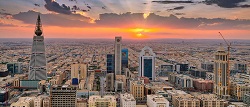
ECONOMY
Oil and non-oil sectors flex their muscles to keep the country humming, boosting business confidence and earning a ratings agency’s thumbs up.
Find out more


Have questions about SAB banking services? Let us help you with these frequently asked questions.
FAQS
Our friendly Customer Support team are on hand to help with any queries you have. We're here to help!
Contact Us
Oil and non-oil sectors flex their muscles to keep the country humming, boosting business confidence and earning a ratings agency’s thumbs up.
Find out more
Since introducing reforms that have boosted female labour force participation, the country has seen a surge in non-oil economic activities.
Find out more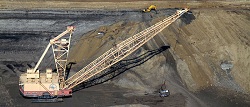
A recent industry forum underscores the growing global interest in the kingdom’s mineral wealth as a shift to clean energy sparks demand for critical minerals.
Find out more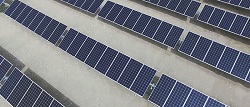
The country appears to be on track to meet its ambitious target of supplying almost 50% of its electricity through renewable natural resources by 2030.
Find out more
Improving inter-city links will not only boost passenger mobility and tourism flows, but also support the logistics sector and strengthen local supply chains.
Find out more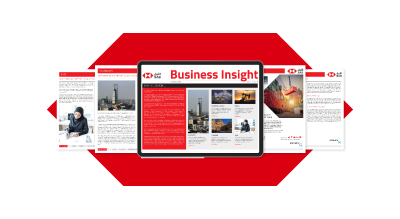

IN THIS EDITION
CEER Saudi Arabia, the kingdom’s first domestic electric vehicle (EV) brand and original equipment manufacturer (OEM), continues to accelerate the growth of the country’s EV ecosystem.
In February, CEER announced the signing of 16 new commercial agreements worth more than SAR 3.7 billion, building on the SAR 5.5 billion of deals it secured at last year’s Public Investment Fund (PIF) Forum. These contracts support the company’s localisation strategy, which aims to source 45% of vehicle materials and components domestically by 2034 and strengthen the country’s automotive supply chain.
This is part of an ambition to allocate USD 40 billion for EV infrastructure and manufacturing, bringing the industry’s value to USD 4.8 billion by 2030.
The new CEER agreements cover a wide range of components and capabilities, such as EV coolants and brake fluids, moving the sector toward an integrated industrial base. CEER has also signed additional agreements to bring expanded polypropylene production, HVAC systems, and other components into the kingdom.
The company is also building out human capital and manufacturing capacity. In late 2025, it partnered with the National Automotive and Vehicles Academy (NAVA) to launch an EV manufacturing technology diploma programme, training Saudi talent for a growing national automotive workforce. CEER’s manufacturing complex in King Abdullah Economic City (KAEC) is also under development, with production of its first sedan and SUV scheduled for the fourth quarter of 2026. In January this year, it partnered with Dürr, a global leader in mechanical and plant engineering, to supply and install one of the world’s most advanced paint shops at its manufacturing complex.
Saudi Arabia saw its EV sales jump nearly tenfold in just one year, crossing 11,000 units, reflecting rising demand for EVs among consumers, according to the Roland Berger EV Charging Index.
Major international players are also taking part in the growing sector. The Public Investment Fund holds a significant stake in Lucid Motors, which has set up assembly operations in the kingdom, while global brands like Tesla have established dealerships, highlighting Saudi Arabia’s growing EV adoption.

You are about to leave this site. You are being redirected to an external site. Would you like to leave this site?




© SAB, Saudi Arabia. All Rights Reserved, 2025
Saudi Awwal Bank, a listed joint stock company, incorporated in the Kingdom of Saudi Arabia, with paid in capital of SAR 20,547,945,220, commercial registration certificate 1010025779, unified number 7000018668, Mailing Address: P.O. Box 9084, Riyadh 11413. National Address: 7383 King Fahad Branch Rd, 2338 Al Yasmeen Dist., 13325 Riyadh, Kingdom of Saudi Arabia, Tel. +966 11 4050677, www.sab.com, licensed pursuant to the Council of Ministers Resolution No. 198 dated 06/02/1398H and Royal Decree No. M/4 dated 12/08/1398H, and regulated and supervised by the Saudi Central Bank.