
 Security Center
 ATM & Branches
ECONOMY
|


How can we help?
Filter
Looks like we don’t have any matches for
Try a different search term or check out some of our suggestions below.

Frequently Asked Questions
Have questions about SAB banking services? Let us help you with these frequently asked questions.
FAQS
Customer Service
Our friendly Customer Support team are on hand to help with any queries you have. We're here to help!
Contact Us


DIVERSIFICATION: SAUDI KEEPS ITS FOOT FIRMLY ON THE ACCELERATOR
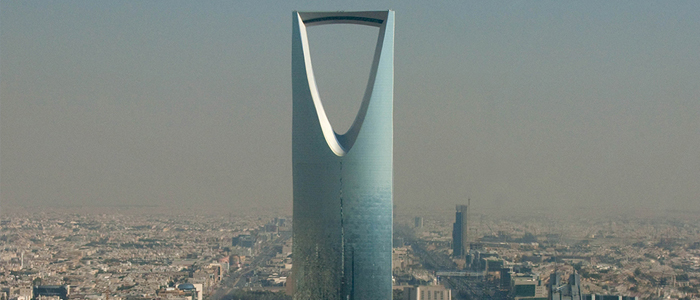
Saudi Arabia is expected to further push through with its diversification drive in 2026. After several years of favourable tailwinds – as high oil prices and the rapid rollout of reforms enabled a sharp acceleration in Vision 2030 spending – the kingdom is entering a phase where financing needs are rising even as commodity markets remain tepid.
At the same time, policymakers are recalibrating priorities, with a growing share of investment shifting toward artificial intelligence (AI) and advanced technologies as part of a broader e ort to diversify the economy.
“Fortunately, Saudi Arabia approaches this challenge from a position of relative strength. Public debt-to-GDP ratios remain low and foreign assets are still ample,” the International Monetary Fund (IMF) said in a recent analysis.
The performance of the economy in 2025 suggests that the foundations of this transition are already firmer than in previous cycles. Even with oil prices nearly 30% below their 2022 peak, non-oil activity has remained robust. This resilience reflects the cumulative impact of reforms under Vision 2030.
Indeed, the fund notes that recent moves to reprioritise major projects point in the right direction. By concentrating resources on initiatives with the highest expected economic returns, policymakers are eyeing ways to reduce the risk of overheating while protecting growth. Over the medium term, continued e orts to mobilise non-oil revenues, further reform of energy subsidies, and improvements in public spending e ciency will be central to maintaining fiscal discipline.
Saudi Arabia’s transformation has already delivered tangible results. The next phase will be determined as the kingdom maintains prudent fiscal management, vigilant financial oversight and deeper labour and investment reforms.
DEBT MANAGEMENT
In January, the Ministry of Finance announced the annual borrowing plan for 2026, which projects funding needs of around SAR 217 billion. The amount is intended to cover the anticipated budget deficit of SAR 165 billion for fiscal year 2026, as well as principal repayments for debt that will mature during the year, amounting to approximately SAR 52 billion.
The kingdom aims to maintain debt sustainability and diversify funding sources between domestic and international markets through public and private channels, by issuing bonds, sukuk, and loans at fair cost. It also plans to expand alternative government funding through project and infrastructure financing, as well as export credit agencies, during fiscal year 2026 and over the medium term, within prudent risk management frameworks and well-established foundations.
BUSINESS SENTIMENT
Business sentiment remains robust, with the S&P Global Ratings Purchasing Managers Index (PMI) highlighting strong growth, job creation, and increase in output levels.
“The volume of new orders received by non-oil companies rose sharply in December, although like output, the pace of growth eased to its softest since August,” said S&P in its December report.
Private sector growth is already having a positive impact on job creation.
“With output and new orders rising, non-oil firms in Saudi Arabia continued to increase their workforces in December,” S&P noted.
Despite adding to labour capacity, companies reported a further increase in their work-in-hand in December, with the rate of backlog accumulation reaching its highest since July, S&P noted.
However, the hectic activity is impacting prices, according to the PMI, which noted that input prices paid by non-oil firms increased again in December, with inflation rate accelerating due to a faster rise in purchase costs.
“Most firms opted to pass their higher costs onto customers, leading to a robust increase in output prices.”
For now, inflation in the kingdom remained low. The Consumer Price Index (CPI) rose 1.9% in November compared to the same period in 2024, while prices increased only slightly on a monthly basis, up 0.1% from October, according to GASTAT.
Wholesale prices showed a similar pattern. The Wholesale Price Index (WPI) increased 2.3% year on year in November but fell 0.3% compared with the previous month.

GLOBAL OUTLOOK
Despite the myriad headwinds contributing to uncertainties, there appears to be strong grounds for optimism across the world, according to latest prediction.
INVESTMENT
This year’s budget outlines the allocators’ growing e orts to align capital with industries that promote diversification, job creation, and private sector growth
OIL
Ongoing industrial expansion and sustained economic activity in emerging economies, particularly China and India, have pushed global consumption higher.
SAUDI EXCHANGE
The country’s stock market will be open to the world e ective 1 February and is expected to support authorities’ goal to lure more international capital.

Your are now leaving this site
Your are now leaving this site
You are about to leave this site. You are being redirected to an external site. Would you like to leave this site?










© SAB, Saudi Arabia. All Rights Reserved, 2025
Saudi Awwal Bank, a listed joint stock company, incorporated in the Kingdom of Saudi Arabia, with paid in capital of SAR 20,547,945,220, commercial registration certificate 1010025779, unified number 7000018668, Mailing Address: P.O. Box 9084, Riyadh 11413. National Address: 7383 King Fahad Branch Rd, 2338 Al Yasmeen Dist., 13325 Riyadh, Kingdom of Saudi Arabia, Tel. +966 11 4050677, www.sab.com, licensed pursuant to the Council of Ministers Resolution No. 198 dated 06/02/1398H and Royal Decree No. M/4 dated 12/08/1398H, and regulated and supervised by the Saudi Central Bank.