Search
 Security Center
 ATM & Branches

ECONOMY
The stable outlook reflects the kingdom’s ability to deploy counter-cyclical measures to manage expenditure.
Find out more


Have questions about SAB banking services? Let us help you with these frequently asked questions.
FAQS
Our friendly Customer Support team are on hand to help with any queries you have. We're here to help!
Contact UsQuick Links

The stable outlook reflects the kingdom’s ability to deploy counter-cyclical measures to manage expenditure.
Find out more
Several residential, commercial, and infrastructure developments are underway across the country, attracting investors and generating thousands of jobs.
Find out more
As the Saudi capital prepares to host the highly anticipated global event, several related projects have received the green light.
Find out more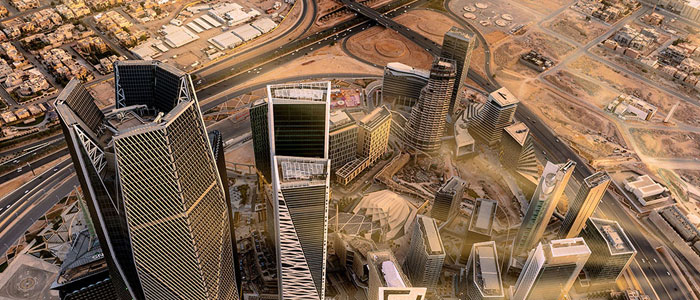

The deal between two of the country’s major airlines will sharpen focus on improving connections and passenger experience to drive growth.
Find out more

IN THIS EDITION
Saudi Arabia’s economic transformation is increasingly moving beyond headline investment and large-scale projects towards the institutional and regulatory foundations of a more diversified economy.
According to Saudi Press Agency, the kingdom has implemented approximately 1,000 economic and development reforms and initiatives over the past decade, covering legislative, procedural and technical changes across 16 priority sectors.
The scale of the programme is notable. Saudi authorities say around 1,200 laws and regulations have been issued or updated, including reforms covering companies, bankruptcy, commercial courts, commercial registration, and trade names. The objective has been to reduce administrative friction and provide businesses with greater clarity around how they establish, operate and expand in the kingdom.
The reforms have increasingly focused on the practical experience of businesses. According to the Saudi Competitiveness and Business Center, 100 investment journeys have been redesigned across different sectors, while more than 600 licences were converted into instant licences. The reforms span logistics, tourism, healthcare, education, data and other areas viewed as important to diversification.
Saudi Arabia’s model incorporates monitoring mechanisms intended to assess whether reforms are being implemented by government entities and experienced by businesses.
The approach is also becoming more institutionalised. The National Competitiveness Center has worked with government entities to identify regulatory and procedural obstacles, assess international competitiveness indicators and develop reforms in response.
In February 2026, the World Bank Group and the National Competitiveness Center launched a Knowledge Hub in Riyadh focused on areas including business environment reform, productivity, entrepreneurship, innovation, export diversification and trade facilitation. Saudi officials said the centre was approaching 1,000 implemented economic and development reforms involving 65 government entities.
The next stage will require reforms to translate into sustained productivity gains, deeper private sector investment, and stronger export competitiveness.

You are about to leave this site. You are being redirected to an external site. Would you like to leave this site?