Security Center
 ATM & Branches
ECONOMY
All key economic sectors performed exceptionally well during the quarter, suggesting broad-based growth, as other indicators also lent support.
Find out more


Have questions about SAB banking services? Let us help you with these frequently asked questions.
FAQS
Our friendly Customer Support team are on hand to help with any queries you have. We're here to help!
Contact Us
All key economic sectors performed exceptionally well during the quarter, suggesting broad-based growth, as other indicators also lent support.
Find out more
Beyond the spectacle, the global event will reinforce its host’s commitment to climate responsibility and social cohesion.
Find out more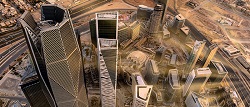
Growth-oriented expenditures will remain in focus next year, as do investments in social development programmes like education and healthcare.
Find out more
Major industry players will collaborate with the kingdom on projects designed to boost the country’s artificial intelligence capabilities and talent pool.
Find out more
Many of the strategy’s initiatives have already exceeded expectations and transformed the country’s fiscal and social trajectories.
Find out more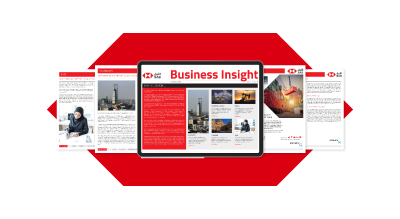

IN THIS EDITION
Saudi Arabia is boosting the agriculture sector as it builds a stable and reliable food security infrastructure. The government and its key private and public entities have invested billions of dollars over the past decade to facilitate projects aimed at boosting agricultural production and food manufacturing, and promote production efficiency in the poultry, meat and veterinary services sectors.
Latest data from the General Authority of Statistics (GASTAT) shows the kingdom has raised its food security in virtually every major food category. self-sufficiency in fish, for example, had risen to 52% in 2024, latest available data shows, compared to 48% the year before. Rice (52.1%), milk (70.3%), and poultry meat (72%) also saw favourable growth rates in a sign of rapid expansion in the domes tic food system. Self-sufficiency ratios of shrimp reached 149%, followed by 131% for dairy products, and 103% for table eggs. Dates, a product in which Saudi Arabia leads the world in exports, enjoyed a self-sufficiency rate of 121%, GASTAT noted.
The Saudi Agricultural & Livestock Investment Company (SALIC) is also playing a role in transforming the country’s food and agriculture sector through strategic investments that promote food sustainability, supply sources diversity, and integration of the country’s food system with global markets. Over the past six years, SALIC has achieved significant financial milestones, with its managed assets increasing fivefold to exceed SAR 27 billion, reflecting an average annual profit growth rate of 33%. Through its international portfolio, SALIC has access to over 20 million tonnes of strategic commodities, enhancing its capacity to respond swiftly to emergencies.
In addition, the kingdom is also deploying climate-smart and other innovativetechnologies to ensure that its food products are grown in a sustainable way, using robust water-efficiency techniques.

You are about to leave this site. You are being redirected to an external site. Would you like to leave this site?




© SAB, Saudi Arabia. All Rights Reserved, 2025
Saudi Awwal Bank, a listed joint stock company, incorporated in the Kingdom of Saudi Arabia, with paid in capital of SAR 20,547,945,220, commercial registration certificate 1010025779, unified number 7000018668, Mailing Address: P.O. Box 9084, Riyadh 11413. National Address: 7383 King Fahad Branch Rd, 2338 Al Yasmeen Dist., 13325 Riyadh, Kingdom of Saudi Arabia, Tel. +966 11 4050677, www.sab.com, licensed pursuant to the Council of Ministers Resolution No. 198 dated 06/02/1398H and Royal Decree No. M/4 dated 12/08/1398H, and regulated and supervised by the Saudi Central Bank.