Search
 Security Center
 ATM & Branches
PIF

How can we help?
Filter
Looks like we don’t have any matches for
Try a different search term or check out some of our suggestions below.

Frequently Asked Questions
Have questions about SAB banking services? Let us help you with these frequently asked questions.
FAQS
Customer Service
Our friendly Customer Support team are on hand to help with any queries you have. We're here to help!
Contact Us


WEALTH FUND’S NEW STRATEGY LOOKS AT LONG-TERM VALUE CREATION FOR SAUDI
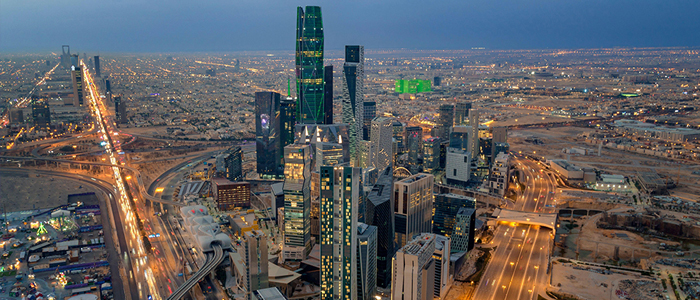
The Public Investment Fund (PIF) introduced a new strategy for 2026-2030 aimed at building on the success it has achieved over the past decade. In April, PIF governor Yasir Al-Rumayyan outlined the fund’s progress and introduced the strategy, following approval by the PIF Board chaired by HRH Mohammed bin Salman, Crown Prince and Prime Minister.
The update marked a transition point for the PIF, moving from a phase of rapid expansion toward a more structured approach focused on e ciency, integration, and long-term value creation.
Al-Rumayyan positioned the new strategy as a continuation of PIF’s central role in advancing Saudi Arabia’s economic diversification under Vision 2030. The kingdom’s fiscal position, infrastructure, and access to global capital provide a strong foundation for attracting investment.
Between 2021 and 2025, PIF deployed approximately SAR 750 billion into domestic projects, accounting for around 70% of its total investments during that period. At the same time, it maintained an average annual portfolio return of more than 7% since 2017.
Established in 1971, PIF initially supported the development of key national companies such as SABIC, Saudi Telecom Company, and Saudi Arabia Railways. A major shift came in 2015 when governance reforms linked the fund more directly to the kingdom’s economic planning framework. Since then, PIF has expanded its mandate to include both domestic development and global investment, alongside e orts to diversify income sources.
Under Vision 2030, the fund has taken on a more active role in shaping new sectors. It has launched large-scale projects such as NEOM, the Red Sea development, Qiddiya, and Roshn, which are intended to support tourism, housing, and broader economic activity. It has also created platforms like the Future Investment Initiative (FII), which has grown into a global forum attracting investors and facilitating major deals. PIF has expanded its international presence with o ces in key global markets and regional hubs across the Middle East.
STRATEGIC SECTORS
During the 2021–2025 period, PIF increased its investments across 13 strategic sectors. These investments contributed to economic growth and job creation, with the fund accounting for roughly one-third of non-oil GDP growth between 2021 and 2024. Its projects have supported domestic development goals, including increased homeownership through Roshn and growth in new sectors such as gaming and artificial intelligence (AI).
The fund has also focused on increasing local economic participation, with spending reaching SAR 207 billion in 2024, and the share of local content rising steadily over recent years. In parallel, PIF has worked to attract foreign investment, with its portfolio companies drawing tens of billions of riyals into sectors such as real estate, logistics, and technology. Partnerships with global asset managers have also helped bring additional capital and expertise into the Saudi market.
To support private sector development, PIF has introduced a range of initiatives, including programmes to develop local suppliers, support small and medium-sized enterprises (SMEs), and expand access to financing. Its subsidiaries, such as Jada and Sanabil Investment, have allocated funds to venture capital and private equity firms to support emerging companies.
PIF’s assets under management have grown significantly, reaching over SAR 3.4 trillion by the end of 2025. It continues to hold high credit ratings from major agencies, reflecting its financial stability and strategic importance.
THE THREE PORTFOLIOS
Looking ahead, the 2026-2030 strategy introduces a more integrated framework. PIF will structure its investments into three portfolios, each with distinct strategic objectives.
First, the Vision Portfolio, which is intended to deepen integration among the kingdom’s priority strategic sectors, maximise the value of PIF’s portfolio companies and sustain the growth of the domestic economy. This portfolio enhances the synergy of PIF’s investments, raises their competitiveness and creates broader opportunities for partnership with the local private sector – as investor, partner, and supplier – while attracting international partners and investors.
Second, the Strategic Portfolio, which focuses on managing and optimising returns from strategic assets, amplifying the economic impact of PIF’s companies and supporting their e orts to draw both domestic and foreign capital, and evolve into global leaders. Through this portfolio, PIF will continue to invest in long term, high impact sectors that reflect macro economic dynamics and global trends.
Finally, the Financial Portfolio, which aims to generate sustainable financial returns that reinforce PIF’s balance sheet and its role in growing national wealth for future generations. It concentrates on PIF’s direct and indirect investments in global markets, with the objective of maximising yields, further diversifying and strengthening the portfolio’s resilience, and building strategic alliances that unlock additional international capital and investment opportunities.

TRADE WITH EUROPE
The partners are collaborating on several areas including green hydrogen, critical raw materials, pharmaceuticals, and transformative technologies.
GAMING
The industry is seen as one of the crucial components of the kingdom’s bold strategy to diversify its economy.
RENEWABLES
As its renewable energy capacity is poised to increase, the country looks to battery storage systems in ensuring a steady supply of electricity.

Your are now leaving this site
Your are now leaving this site
You are about to leave this site. You are being redirected to an external site. Would you like to leave this site?