Search
 Security Center
 ATM & Branches
ECONOMY

How can we help?
Filter
Looks like we don’t have any matches for
Try a different search term or check out some of our suggestions below.

Frequently Asked Questions
Have questions about SAB banking services? Let us help you with these frequently asked questions.
FAQS
Customer Service
Our friendly Customer Support team are on hand to help with any queries you have. We're here to help!
Contact Us


ECONOMIC DATA POINTS TO STRONG GROWTH FOR SAUDI
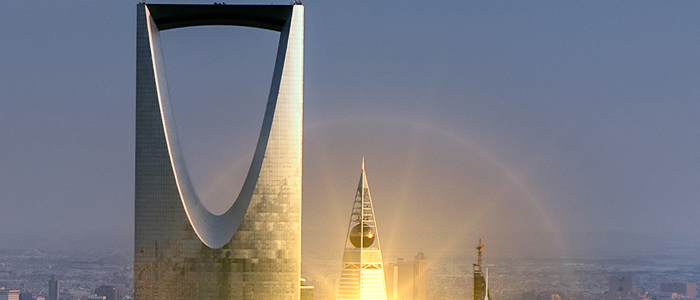
Saudi Arabia’s latest economic indicators suggest stability as the country continues its gradual shift toward a more diversified, non-oil growth model.
Business sentiment, as captured in the March 2026 Business Confidence Index (BCI), reflects cautious optimism across key sectors. The report underscores improved expectations around production, demand, and investment, particularly in manufacturing and services, suggesting that private sector activity is holding up despite global uncertainty. This forward-looking confidence aligns with broader trends in output and trade, where recent short-term statistics indicate steady momentum in non-oil activity, even as external conditions remain mixed.
Also during the month, BCI for the services sector recorded 52 points, maintaining an optimistic level despite a decline of 14.9% compared to February 2026, when it stood at 61.1 points. “This decrease is attributed to a decline in confidence levels related to purchasing orders for the current month and expected input costs for the coming month,” according to the General Authority for Statistics (GASTAT).
On the economy side, short-term indicators for early 2026 show continued expansion in industrial- and trade-related activities. Industrial production has maintained positive growth on an annual basis, supported by both oil and non-oil segments, while trade flows remain resilient. Export performance has been underpinned by energy shipments, but there are also signs of strengthening non-oil exports, reflecting ongoing diversification e orts. Import dynamics, meanwhile, suggest sustained domestic demand, particularly tied to large-scale projects and infrastructure development. Together, these indicators point to an economy that is not only growing, but also gradually rebalancing toward a broader base of activity.
Foreign direct investment (FDI) data for the fourth quarter of 2025 reinforces this trajectory. Inflows remain robust, with capital increasingly directed toward sectors aligned with Vision 2030 priorities, including manufacturing, infrastructure, and services.
“The net inflow of FDI amounted to SAR 48.4 billion during the fourth quarter of 2025. It achieved a growth of 90% compared to Q4 of 2024, which recorded SAR 25.5 billion. While it recorded an increase of 82% compared to the previous quarter of 2025, which recorded SAR 26.6 billion,” according to the GASTAT.
The composition of FDI suggests a structural shift – rather than being concentrated solely in hydrocarbons, investment is spreading across industries that support long-term economic transformation. This diversification of capital inflows is critical, as it brings not only financing but also technology transfer and managerial expertise, helping to deepen the kingdom’s industrial and commercial capabilities.
WOMEN IN THE WORKFORCE
Labour market data provides further evidence of an uptick in growth. Overall unemployment remains low at around 3.5%, while the rate for Saudi nationals stands at 7.2%, continuing its gradual decline.
Participation rates have improved, particularly among women, where unemployment figures have fallen, and employment levels have risen over recent years. “In Q4 of 2025, the labour market indicators in the kingdom showed an increase in the labour force participation rate for Saudi females by 0.8 percentage point, reaching 34.5%,” GASTAT noted. “Additionally, the employment-to-population ratio of Saudi females increased by 1.3 percentage points reaching 31%. At the same time, the unemployment rate of Saudi females decreased by 1.8 percentage points recording 10.3%, compared to the previous quarter of 2025.”
The broader labour force participation rate has also edged higher, reflecting increased engagement in the economy. These trends point to a labour market that is becoming more inclusive and better aligned with the needs of a diversifying economy.
At the same time, the structure of employment highlights where growth is being generated. Sectors such as construction, manufacturing, and trade continue to account for a significant share of jobs, supported by ongoing investment in infrastructure and industrial development. The expansion of these sectors is closely tied to the kingdom’s broader economic strategy, which aims to create jobs through large-scale projects while building domestic industrial capacity. This is also evident in rising employment-to-population ratios and steady gains in workforce participation, indicating that job creation is keeping pace with demographic and economic changes.
Taken together, the data presents a picture of strong economic growth. Business sentiment is improving, real sector activity remains resilient, investment is diversifying, and the labour market continues to strengthen. Saudi Arabia’s economy is gradually becoming more balanced, with multiple engines of growth beginning to complement its traditional reliance on hydrocarbons.

HEALTHCARE
Ongoing investments in health innovation and pharmaceuticals have made a profound impact on people’s quality of life in the kingdom.
MANUFACTURING
Foreign investors are transforming the investment landscape in the country’s manufacturing industry, even benefiting SME players.
REAL ESTATE
Expanding the pool of eligible buyers will increase demand for properties across the country’s major cities, especially in urban districts.
US-SAUDI TRADE
The nations are focusing on a more integrated economic engagement involving sectors like energy, technology, healthcare, aerospace, and infrastructure.

Your are now leaving this site
Your are now leaving this site
You are about to leave this site. You are being redirected to an external site. Would you like to leave this site?